
The New Investment Cycle
For fifteen years, corporate America's favorite investment was its own stock. Now the money is going into grids, fabs, weapons, and data centers — and that changes everything downstream.
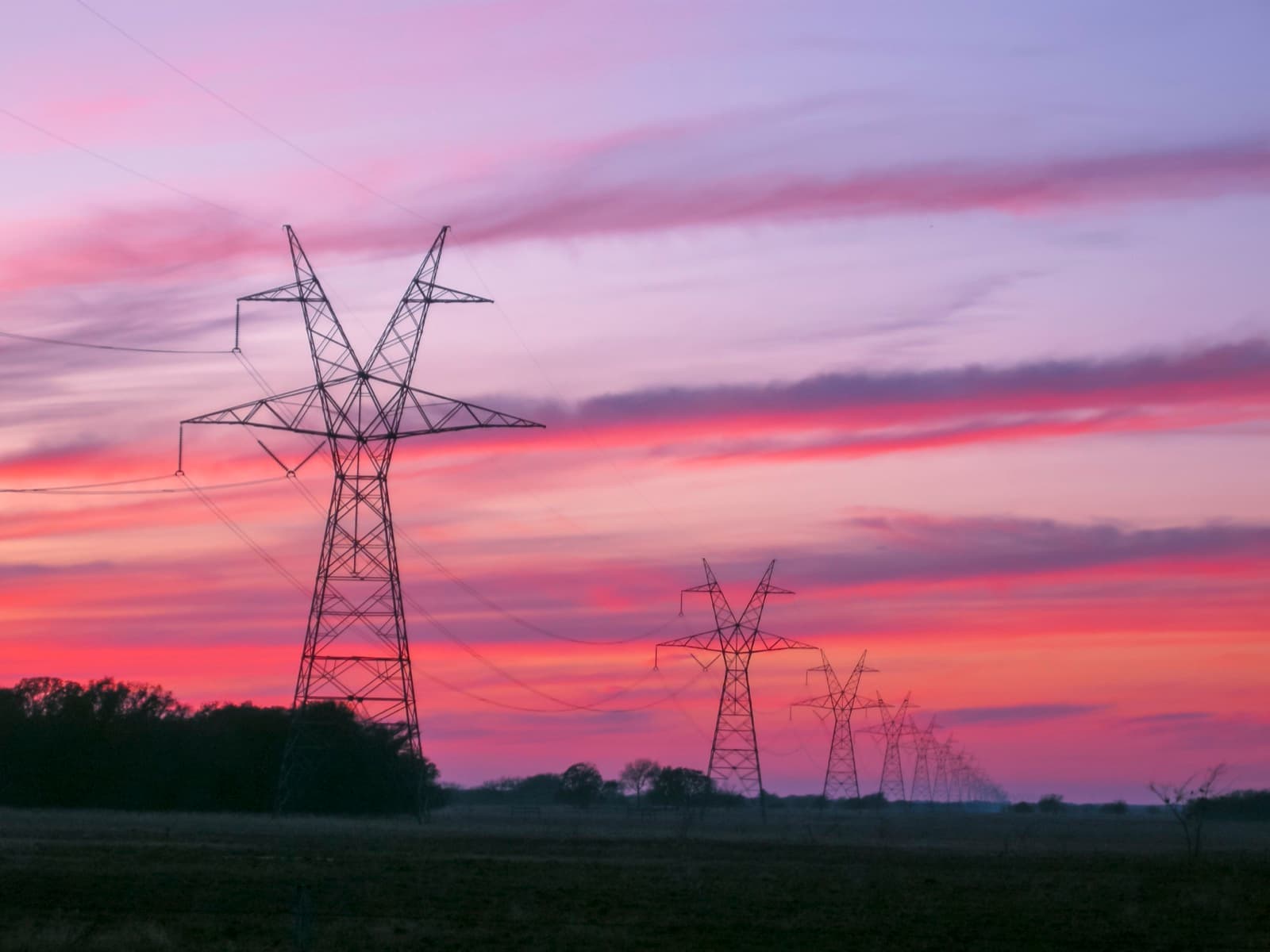
Bottom Line Up Front
For most of the 2010s, the biggest buyer of American stocks was American companies. With money nearly free and demand tepid, the rational corporate move was financial: buy back shares, pay dividends, stay asset-light.
That logic has flipped. The five biggest tech companies alone have guided toward roughly $700 billion of capital spending in 2026, most of it AI infrastructure. Factory construction runs at double its pre-2021 pace even after cresting. Utilities are planning their largest grid buildouts in generations, and Western defense budgets are climbing together for the first time since the Cold War.
This is a regime change in what capital does: from an era that optimized balance sheets to one that builds physical things. Economists would say the global demand for savings is rising.
For investors, the implications are structural: interest rates with a higher floor, inflation with a higher floor, and market leadership drifting from the asset-light toward whoever supplies the buildout. Also, a warning from history: building eras create their winners early and punish their overbuilders late.
Two board meetings, ten years apart
Picture a board meeting in 2016 at a big industrial company. Revenue is flat, money costs nothing, activists are circling. The CFO's deck lands on the same conclusion as everyone else's that decade: authorize another $5 billion buyback. Fewer shares, higher earnings per share, a grateful stock price. Building a new plant? That's what consultants call "capital indiscipline."
Now sit in the same boardroom in 2026. The deck is unrecognizable. There's a power-procurement crisis on slide four, because the data centers the company serves can't get grid connections. A reshoring plan on slide seven, because the tariff and security math changed. A slide about competing for electricians. The buyback is still there, but shrunk, because the debt that funded it now rolls over at rates last seen before the financial crisis. The rational move in 2016 was to shrink the company's physical footprint and expand its financial one. The rational move now is the reverse.
Nothing about corporate virtue changed. Prices did. And when prices flip, an economy's behavior flips with them.
Why eras flip, in plain English
Here's the underlying machine. Every economy runs on a seesaw between savings looking for a return and projects looking for funding. When the world wants to save more than it wants to build, as it did after 2008, interest rates get crushed toward zero and money crowds into financial assets because there's nothing physical worth funding. That era had a look: buybacks near record highs year after year, "capital-light" as the highest compliment a business model could receive, and the cheapest companies to run becoming the most valuable on earth.
When the world wants to build more than it wants to save, everything inverts. Real projects bid for real resources, concrete, copper, turbines, labor, and for the savings to finance them. Rates carry a structurally higher floor. Inflation gets a tailwind, because building consumes materials today for output that arrives years later. Scarce physical capacity, the thing the last era taught everyone to shed, becomes the moat.
Four forces flipped the seesaw at once. AI: the hyperscalers went from roughly $400 billion of capex in 2025 toward $700 billion in 2026, and every dollar of chips drags spending on buildings, cooling, and above all electricity. Energy: the grid needs rebuilding for that demand regardless of how the AI story ends. Security: wars in Europe and the Middle East turned defense production from a budget line into an urgency. Resilience: the reshoring wave that tripled factory construction after 2021. Each has its own logic; all draw on the same pools of savings, materials, power, and skilled labor. That shared draw is the whole story. It's why transformer lead times stretch for years, why the 10-year Treasury yields 4.7% while the Fed sits still, and why an electrician in Phoenix has pricing power a software engineer would envy.
Nature runs the same signal, if you watch for it. The first evidence of spring isn't the temperature; it's behavior, birds hauling twigs weeks before the thaw, betting on a season that hasn't arrived. Capex is corporate nest-building: hundreds of billions committed to a future nobody can yet see in the earnings data. Sometimes the birds are early. They're rarely wrong about the season.
Key Judgments
- Physical investment will outgrow financial engineering for the rest of this decade. Buybacks won't vanish, but their era as the market's marginal buyer is over.
- The savings-investment seesaw keeps the floor under interest rates higher than the 2010s taught everyone to expect. Sub-2% 10-year yields belong to the old regime absent a crisis.
- Market leadership broadens toward the suppliers of the buildout: electrical equipment, grid infrastructure, engineering, select industrials and materials, alongside the tech giants funding it.
- Every building era overbuilds something. By late decade, expect visible excess in at least one lane, AI compute being the obvious candidate, without that invalidating the broader regime, just as railroad bankruptcies didn't unbuild the railroads.
Risks & Counterarguments
The strongest objection: this "cycle" is mostly one trade wearing a trenchcoat. Strip out AI data centers and the picture is humbler; factory construction has already rolled over from its 2024 peak, and if AI returns disappoint, hyperscaler capex, the engine of the whole thesis, can be cut with brutal speed. Demographics argue the other way too: aging societies save more and build less, the force that created the low-rate era, and it hasn't gone anywhere. And corporate habits are sticky; companies facing 7% debt costs may simply do less of everything, buybacks and capex alike. If the buildout stalls, the old regime's gravity reasserts itself quickly.
Why It Matters
Most investors alive today learned their instincts inside one regime: falling rates, asset-light winners, buy the dip in whatever compounds without spending. If the seesaw has genuinely flipped, those instincts quietly become liabilities, and the unfashionable knowledge, how utilities earn, what copper costs, who makes switchgear, becomes edge. Recognizing a regime change in progress, rather than a decade later, is among the most valuable things an ordinary investor can do.
What We're Watching
- The ratio of S&P 500 capex to buybacks, the single cleanest scoreboard for this thesis.
- Hyperscaler capex guidance each earnings season: the first sustained cuts would mark the cycle's first cracked pillar.
- Grid signals: transformer lead times, utility rate-case filings, and interconnection queues.
- Census factory construction data: does it plateau at a new high, or keep bleeding toward the old baseline?
- Real long-term interest rates: a durable fall back toward zero would say the savings glut won after all.
Sources: Bureau of Economic Analysis fixed investment data; U.S. Census Bureau Construction Spending; company capital expenditure disclosures; S&P Dow Jones buyback data; Federal Reserve flow of funds (Z.1); FRED. This is analysis, not investment advice.